


Serious eye problems can begin with sudden flashes, new floaters, shadows, vision changes, or trouble seeing clearly. Some signs need same-day medical attention because early treatment can protect your vision. At Beacon Retina, we help patients understand concerning changes and find the right next step. Retina eye surgery may become necessary for certain conditions. Early evaluation gives us a better chance to identify the cause and protect useful vision.
What Are the Most Common Warning Signs?
Your eyes often give clear warning signals when internal tissues experience stress or damage. Flashing lights in your side vision and sudden showers of dark floaters frequently signal changes inside the eye cavity. Dark shadows moving across your field of view can indicate structural issues with the sensitive light-receiving tissues.
At Beacon Retina, our medical team evaluates these urgent symptoms immediately to preserve clear vision. Sudden blurry vision, loss of vision vision, and eye pain require prompt evaluation by a retina specialist in Washington, DC. Early detection allows our dedicated doctor to treat underlying issues before permanent vision loss occurs.
How Do Flashes and Floaters Signal Retinal Distress?
The vitreous humour, a jelly-like fluid inside your eye, pulls away from the retina, a delicate internal surface, over time. This natural process often creates specks or strings floating through your visual field. However, sudden increases in floaters accompanied by bright light flashes demand immediate professional evaluation.
Sudden Burst of Floaters: Seeing dozens of new spots appear as the internal gel separates rapidly from the retina, the light-sensitive tissue inside the eye.
Light Flashes: Bright streaks signal physical traction on the sensitive nerve cells in the retina resting at the back wall of the eye.
Curtain-Like Shadows: Dark shading across the side vision indicates urgent structural separation of the retina, requiring quick intervention.
Our medical expert evaluates these warning signals using high-resolution imaging technology during detailed examinations. Swift action protects the delicate retinal tissue from ongoing structural damage. We deliver comprehensive medical care to restore comfort and shield your sight.
Get Prompt Care For Sudden Vision Changes Before Problems Progress
What Changes in Peripheral Vision Require Urgent Attention?
Loss of the side vision, or peripheral vision, often develops so slowly that people miss early changes. You might notice difficulty seeing objects at your side or bump into items while walking through doorways. Decreased side vision can be a sign of retinal problems.
Tunnel Vision Effect: Losing the outer visual field of both eyes can cause a tunnel vision effect. This could be a sign of a genetic condition such as retinitis pigmentosa.
Blind Spots: Shadows appearing in the side vision could indicate areas of bleeding or retinal detachment.
Our clinical specialist performs advanced testing to map your visual field and identify subtle peripheral losses. This helps our medical team stop progressive conditions before the central vision suffers. We design personalized treatment plans to protect your overall quality of life.
How Does Visual Distortion Signal Hidden Macular Problems?
Your fine, central vision allows you to read text, recognize faces, and perform detailed daily activities clearly. When straight lines appear bent, wavy, or broken, it’s a sign that your macula, the central zone of the retina, is experiencing physical swelling. Seeing dark or blank spots right in the middle of your vision also points toward macular changes. Besides retinal swelling, or macular edema, such symptoms can also be a sign of macular hole or vitreomacular traction.
Our clinic uses advanced optical scanning to examine the subtle layers within the central retina, or macula. Early medical evaluation an early treatment can stop fluid buildup and prevent permanent scarring of the central vision. Treating these changes quickly helps patients maintain reading capability and independence.
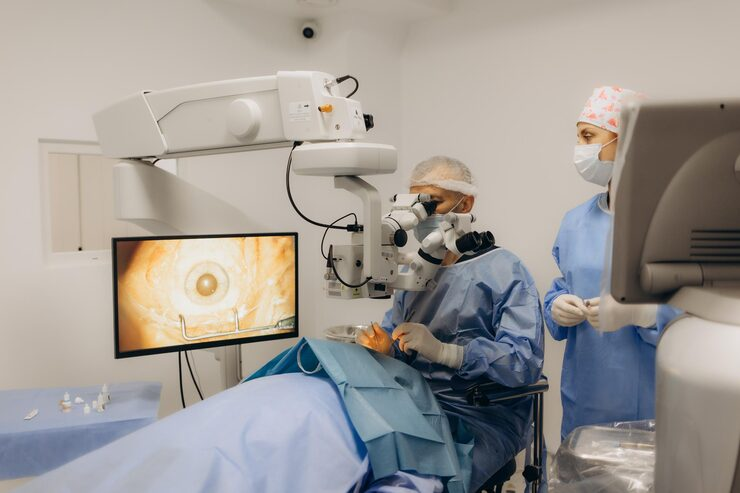
When internal tissue damage requires specialized physical restoration, our surgeon performs advanced retina eye surgery to stabilize the delicate structures. Early therapeutic intervention protects the central vision quality and prevents complete vision loss. Our clinical team guides patients safely through every stage of the visual recovery.
What Are the Steps to Treatment and Recovery?
Addressing severe ocular conditions requires precise medical intervention tailored to individual patient needs. Advanced procedures correct delicate disruptions to stop progressive vision loss.
1. Comprehensive Diagnostic Imaging: High-resolution scans map internal eye layers to pinpoint delicate tissue damage accurately.
2. Targeted Medical Intervention: Surgeons perform targeted surgery for retinal problems to repair delicate tissues and preserve vision.
3. Personalized Healing Protocol: Patients follow personalized care guidelines while the doctor monitors structural healing through scheduled follow-up appointments.
Protect Your Vision With Expert Care For Retinal Symptoms
Why Is Immediate Action Critical for Preserving Vision?
Waiting to address sudden visual symptoms can allow tissue damage to progress rapidly. Early medical intervention halts the structural breakdown, calms tissue swelling, and preserves functional retinal and nerve tissue. Routine eye checkups help doctors spot subtle changes before major symptoms impact any daily tasks.
At Beacon Retina, we prioritize rapid appointments for urgent visual changes. Protecting your long-term sight remains the main objective of our clinical team.
Advanced laser therapy and retina surgery treatment can correct structural retinal flaws before permanent damage sets in. Our medical center offers state-of-the-art solutions to support lasting visual clarity. Consultation with a skilled retina specialist in Washington, DC ensures early diagnosis and precise intervention.
Frequently Asked Questions
What signs mean that you need immediate eye care?
Flashing lights, sudden dark floaters, and dark shadows require prompt medical evaluation. Eye pain, sudden blurry vision, and red eyes also indicate urgent issues. Expert eye care specialists provide immediate diagnostic checks. An experienced retina specialist in Washington, DC evaluates these warning signs quickly to preserve visual acuity and prevent vision loss.
How do doctors treat serious diseases of the retina?
Doctors use the latest laser therapy, injection therapies, and surgery to treat serious problems related to the retina. These modern treatments help in securing unstable tissues, removing fluid inside the eye, and restoring delicate structures. Medical professionals customize the treatment program depending on individual cases.
Can sudden blurry vision indicate serious health issues?
Sudden blurry vision can signal rapid pressure changes, internal tissue swelling, or vascular blockages within the eye. This alarming symptom demands an immediate medical evaluation to identify the underlying causes. Dedicated clinical professionals use modern diagnostic tools to figure out the problem. Prompt medical care restores sight and prevents long-term complications or blindness.
Why do light flashes appear in the side vision?
Light flashes occur when the internal gel pulls away from the delicate light-sensing layers (the retina) inside the eye. The physical pulling force stimulates nerve tissues in the retina, creating bright flashes in your visual field. Quick evaluation ensures that small retinal tears receive timely treatment before serious complications develop.
How often should you schedule medical eye exams?
Adults should schedule comprehensive medical eye examinations every year to monitor the delicate optical structures and eye health. Regular checks help doctors spot hidden pressure changes, tissue thinning, and subtle visual shifts early. Skilled clinical specialists detect these subtle eye changes using advanced diagnostic equipment. Routine visits allow the medical team to protect clear vision and maintain long-term visual health.



.png)


Comments